

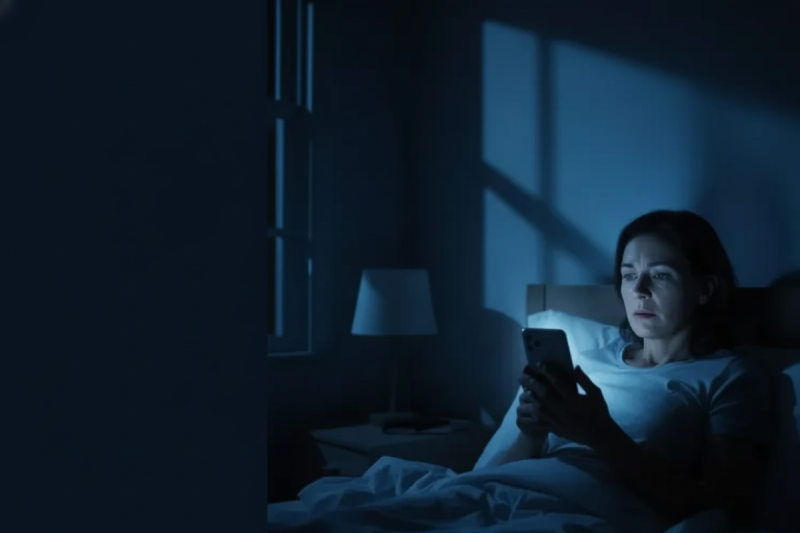
Night Light Heart Attack Risk (Image: AI)
Night Light Heart Attack Risk: As the sun sets, we switch on lights indoors, from ceiling lamps to table lamps. Simultaneously, bright streetlights illuminate our homes. Screens, from TVs to phones, add to this artificial glow. In reality, true darkness is rarely experienced at night these days. This comes with its own health cost. Whether it's the light from the streets due to urban light pollution, or our own screens and indoor lighting.
A study published in JAMA Network on October 23, 2025, found that bright light at night can take a toll on your heart health.
This habit of illuminating homes with bright lights at night not only affects the circadian rhythm but also impacts heart health. The study's findings suggest that when the body's internal clock is disrupted, heart health is also affected. The circadian rhythm is responsible for sleep, hormone regulation, and many other functions.
Bright light disrupts the rhythm of the body's internal clock. According to researchers, this disruption leads to various effects. This physiological response to bright light at night creates physical confusion, leading to problems such as high blood pressure, inflammation, and rapid heart rate. Such prolonged physical distress can lead to cardiovascular problems.
People who often work night shifts are affected by this, as they have to face bright light during their sleep hours. However, similarly, those who watch their phones while lying in bed are also impacted.
According to the research, individuals exposed to the brightest light at night had a 32 percent higher risk of coronary artery disease, a 56 percent higher risk of heart attack, and a 30 percent higher risk of stroke. The physical stress caused by night light is so severe that these risks persist even after accounting for other factors such as exercise, diet, genetics, and sleep habits.
If you have a habit of sleeping with the lights on or watching your phone while lying in bed, it's time to reconsider. The study showed a direct link between exposure to light at night and heart disease. Instead, reducing light exposure helps protect your heart. Researchers advised reducing indoor lighting after sunset, using thick curtains, and avoiding screens before sleeping.
Big News
View AllHealth
Trending
Lifestyle